What Happens to Old Roofing Materials After Replacement?
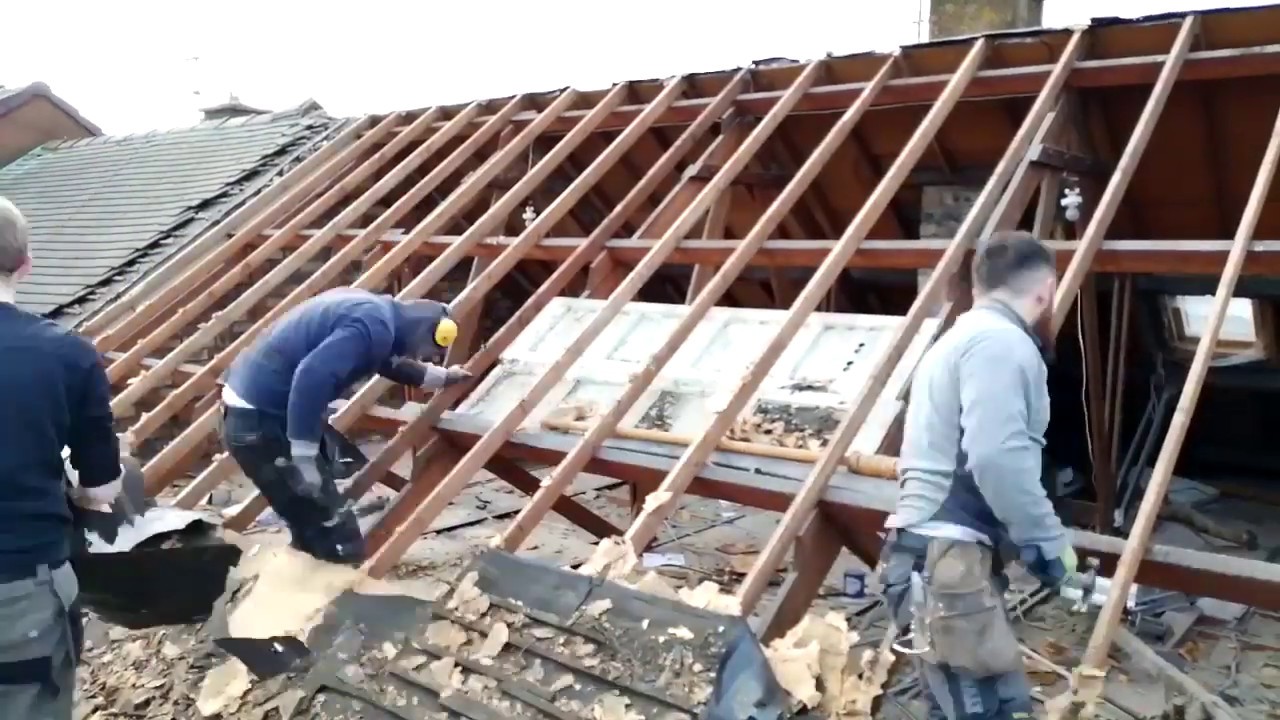
Undertaking a roof replacement is a major home improvement project for homeowners across Gosnells and the wider Perth metropolitan area. When stripping away worn-out tiles, rusted sheeting, or degraded battens, substantial amounts of building waste are generated. In 2026, sustainable construction practices and stringent Western Australian waste diversion targets mean that old roofing components rarely end up straight in general landfill. Professional roofing contractors operating in the City of Gosnells adhere to regulated disposal pathways designed to salvage, repurpose, and responsibly process tear-off debris.
On-Site Sorting and Waste Separation
The disposal process begins directly at the property. Rather than tossing all debris into a single skip bin, modern roofing crews implement source-separation practices on residential sites in Gosnells. Separating materials at the curb reduces contamination, speeds up transport, and ensures that recyclable resources reach the appropriate specialised processing facilities across Perth.
Materials are generally grouped into scrap metals, masonry and ceramic rubble, clean timber, and contaminated or hazardous materials requiring separate transport manifests.
Recycling Pathways for Common Roofing Materials
Most suburban homes in Gosnells feature either metal decking or concrete/clay tiles. The post-removal journey varies significantly depending on the chemical and physical composition of the material:
- Colorbond and Zincalume Steel: Metal roofing is 100% recyclable. Stripped sheets, flashings, and gutters are carted to metal recycling yards across southeastern Perth, where they are shredded, melted in electric arc furnaces, and reformed into new structural steel or industrial sheeting.
- Concrete and Terracotta Tiles: Removed tiles are transported to local construction and demolition recycling depots. Here, heavy industrial crushers pulverise the masonry into recycled road base, drainage aggregates, and fill materials utilised in civil infrastructure projects throughout Western Australia.
- Timber Battens and Trusses: Untreated roof timbers that are removed due to dry rot or re-pitching can be chipped into garden mulch or processed for engineered wood products. Timbers treated with chemical preservatives are diverted to designated facilities to prevent soil leaching.
- Foil Insulation and Sarking: Clean, non-contaminated foil insulation batts and reflective foil laminates are increasingly collected for specialist polymer and aluminium re-refining processes.
Special Handling for Hazardous Debris (Asbestos)
Many older residences built before 1990 https://jeffreydufn015.tearosediner.net/what-causes-broken-roof-tiles-and-how-do-you-fix-them in the Gosnells region still contain legacy materials, such as asbestos-cement sheeting (commonly known as super six or fibro). The handling and disposal of asbestos are strictly enforced by WorkSafe WA and the Department of Water and Environmental Regulation (DWER).
Old asbestos materials cannot be recycled under any circumstances. Licensed asbestos removalists carefully wrap sheets in heavy-duty 200-micron plastic sheeting, tape all seams, and transport the hazardous load via GPS-tracked vehicles directly to licensed Perth disposal sites, such as the Red Hill Waste Management Facility, where it is permanently buried in regulated containment cells.
Local Regulations and Sustainability Targets in 2026
Western Australia’s Waste Avoidance and Resource Recovery Strategy places immense emphasis on diverting heavy building materials away from municipal tips. In 2026, landfill levies continue to incentivize local builders and roofing professionals to maximize salvage rates. Reputable contractors in Gosnells coordinate closely with resource recovery networks, ensuring that over 80% of typical roof demolition mass is redirected into circular manufacturing pipelines.
What Homeowners Should Ask Their Roofing Contractor
Gosnells homeowners have a duty of care to ensure that demolition waste from their premises does not contribute to illegal dumping. Before work commences, property owners can safeguard their property and the environment by following a few clear steps:
- Request a clear waste-management outline in your roofing quote detailing recycling intentions.
- Confirm the contractor holds a current waste transport license if hazardous materials or large quantities of demolition debris are being moved.
- Ask for a tip receipt or waste-transfer docket following the strip-out phase to verify legal and ethical processing.
By engaging licensed, eco-conscious roofing specialists, property owners in Gosnells ensure their old roofs contribute valuable raw materials back into the Western Australian building supply chain while protecting the local environment.
Gosnells Roof Restoration
WA, 6110
(08) 6109 9623